
Finding Leander Residents
A useful Leander residents directory search begins with the record that is tied to the fact already known. An address can lead to a parcel card and then to a deed. An older surname may be better served by a city directory, probate material, or a county archive. A current name can appear in a public role, but a role is not proof of a current home. Keep the source type, date, and county with each result.
Leander reaches into both Williamson and Travis County systems. First confirm the physical parcel and county, then choose the appraisal district, clerk, elections office, or city route. This order avoids a frequent local mistake: treating a postal label or ZIP code as the record jurisdiction. It also keeps a search narrow enough to be checked again later.
- Normalize the address, including any directional, unit, ZIP, subdivision, and whether it falls in Williamson or Travis County.
- Use the relevant appraisal search to identify the parcel, tax year, situs address, legal description, and recorded-owner lead.
- Search the appropriate County Clerk index by the printed grantor or grantee name and a likely date, then save the volume, page, or document reference.
- For a past household, compare dated directory, deed, probate, newspaper, census, or archive evidence rather than filling a gap with an assumption.
- When an index stops, make a narrow request for a record type, parcel, case number, or date range through the custodian that holds it.
Note: A name match becomes useful only when its role, date, address context, and jurisdiction agree with another independent source.
Leander Resident Records Offices
Several offices keep the records that form a practical Leander residents directory. The Williamson County Clerk keeps land and official records for the county side of the city. WCAD links a property account to its situs and legal description. Elections and city departments each have narrower public functions. A parcel near the Travis boundary needs a Travis CAD and Travis County Clerk check instead, because Leander itself is not the custodian for every local record.
Williamson Central Appraisal District
Williamson County appraisal accounts
Use the public property-search route
Contact procedures vary by service
Williamson County Elections
301 SE Inner Loop, Suite 104
Georgetown, TX
Use the official elections route
The City Secretary handles Leander municipal public-record requests at 105 N. Brushy Street. Police records follow a separate Police Records route. Those distinctions matter when a permit, city correspondence, or police record is the real target.
Leander County Record Handoff
County selection comes before a Leander directory search. The city boundary, ETJ, ZIP, and mailing city do not always point to the same place. Williamson County is the usual route for WCAD, its Clerk, and its judicial search. A tract in Travis County belongs with Travis CAD and the Travis County Clerk real-property system. The county check should be repeated before using a deed, court, election, or tax record as support for a resident connection.
The Williamson County Public Records Center is the county's route for requests that are not handled through a public search. It is more useful to request a named document, date range, parcel, or case number than a collection of personal details. A clear request also makes it easier for staff to send an estimate or explain a restriction.
The county's Public Records Center shows the official request route used for a records gap.
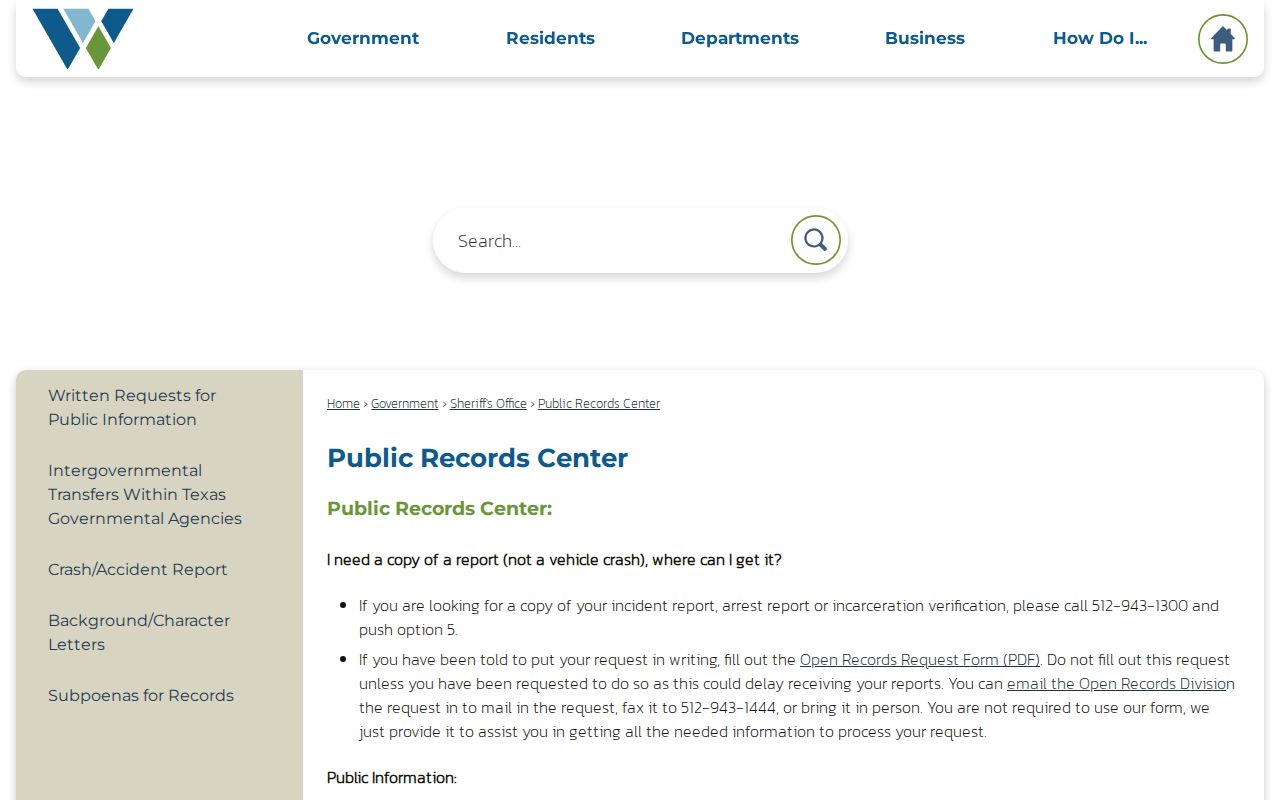
Use that route after confirming that the item belongs to Williamson County, not merely because it carries a Leander address.
Leander Parcel Directory Fields
WCAD is the best opening record when an address or owner name is known on the Williamson County side. Its basic search accepts a name, address, or property identifier. The Advanced Search adds property and CAD IDs, street-number range, street name, city, ZIP code, neighborhood, owner name, business name, property type, tax year, legal-description fields, and an acreage range. A ZIP filter narrows appraisal accounts, not every person or household within that postal area.
| WCAD field | Best use | Important limit |
|---|---|---|
| Street Number Range and Street Name | Find parcels along a short section of road | Test directionals and suffix variants |
| City and ZIP Code | Narrow a broad address search | Neither field proves city limits or county |
| Owner Name | Locate an appraisal-account lead | A tax owner is not automatically an occupant |
| Subdivision, Block, Tract, or Lot | Match a parcel to a plat or deed | Use the clerk's name-and-date search for the deed |
A property card can show owner, situs and mailing addresses, legal description, account number, map number, status, exemptions, and values. Keep situs and mailing addresses separate. The card is a tax-record view, not a complete title history or a household roster.
Current Leander Resident Directories
No current Leander residents directory is a complete roll of everyone in town. Each official source records a particular relationship: a tax account, recorded transaction, public case role, registration status, public filing, or address-linked city activity. Reading the relationship prevents a confident but wrong conclusion. For example, an appraisal owner, a permit applicant, and a court party may all be tied to an address in different ways.
| Leander source | What it can establish | Custodian | Access route |
|---|---|---|---|
| WCAD or TCAD parcel card | Tax-account owner and parcel context | Appraisal district | Public property search |
| County land index | Grantor, grantee, document, and recording trail | County Clerk | Official records search or clerk service |
| VoteTexas registration check | Permitted registration-status confirmation | State and county elections | Official lookup with privacy limits |
| Citizen Connect or Development Hub | Address-linked project or public case context | City of Leander | Public portal or narrow request |
| Association certificate search | Association geography and certificate lead | State program | Public filter, not member information |
For a one-person question, start with an exact name, date, and source role, then use two independent anchors before treating an address association as credible. The Leander resident lookup page explains that verification sequence in more detail.
Leander Voter Directory Limits
Texas voter tools are for registration questions, not a street-by-street directory. The county and state materials point users to a name-and-county route, VUID and date-of-birth route, or Texas driver license and date-of-birth route. The public system does not offer a way to browse every voter on a street. Precinct maps and dated election results can help explain civic geography without identifying individual voters.
| Lookup path | Documented input | Boundary |
|---|---|---|
| Name route | Name, county, VUID, and date of birth as applicable | Use only for the official registration question |
| County request | Written public-information request | Protected IDs, phone data, and confidential addresses stay restricted |
| Precinct research | Map and election date | Precinct changes took effect January 1, 2026 |
The official Texas voter lookup is designed around a person-oriented registration check.
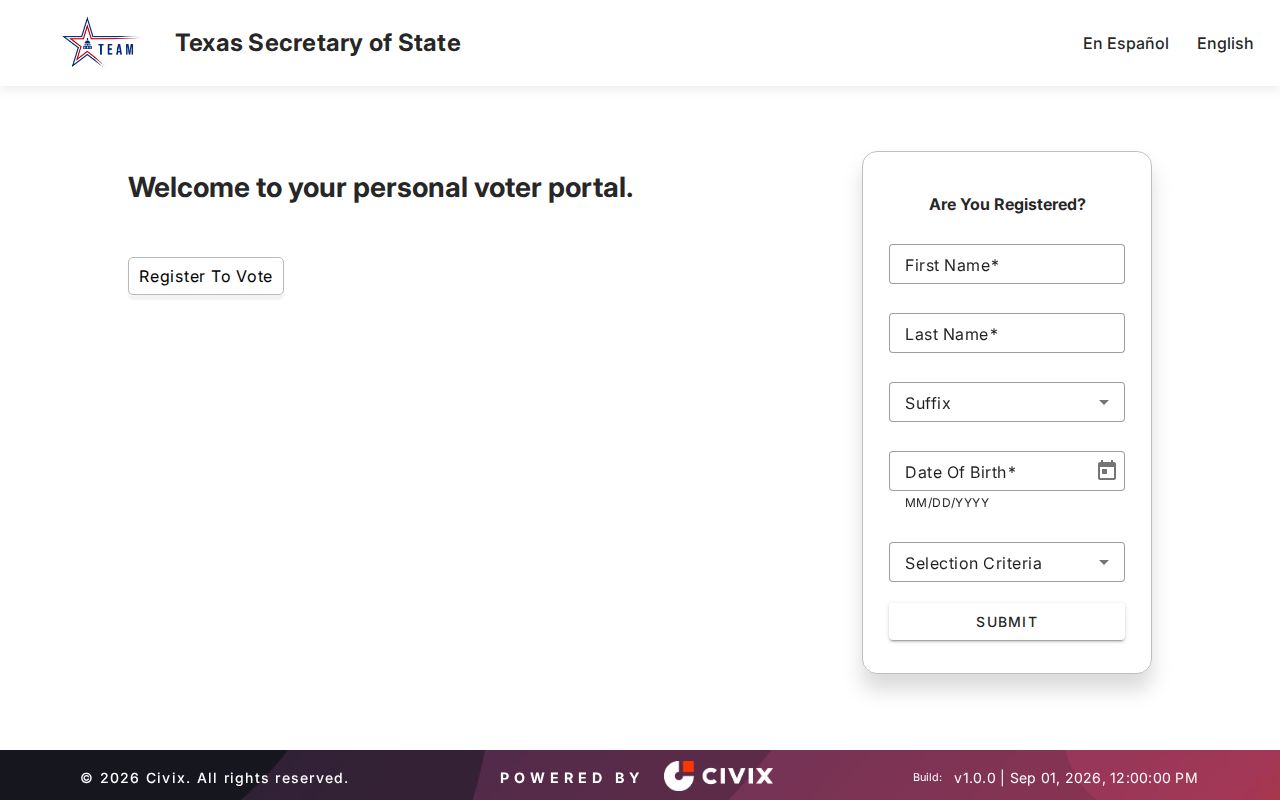
The form supports a limited verification task and does not turn a Leander block into a list of household names.
Leander City Records Requests
City records can add the municipal layer to a resident trail when the request is about an address-linked public matter. The City Secretary accepts public-record requests for city material, while police records are requested from Leander Police Records. The online form asks for first and last name, a company or organization entry, a choice between copies or inspection, an electronic-copy preference, and a description. Large or unclear requests may need clarification and may carry allowed charges.
The best wording names the record and the address context: final permit record, inspection history, code-case closure, or publicly releasable correspondence. Do not ask the city to create a personal profile. That approach respects the Texas Public Information Act while giving staff a clear search target.
The City of Leander public-records page identifies the municipal request route.
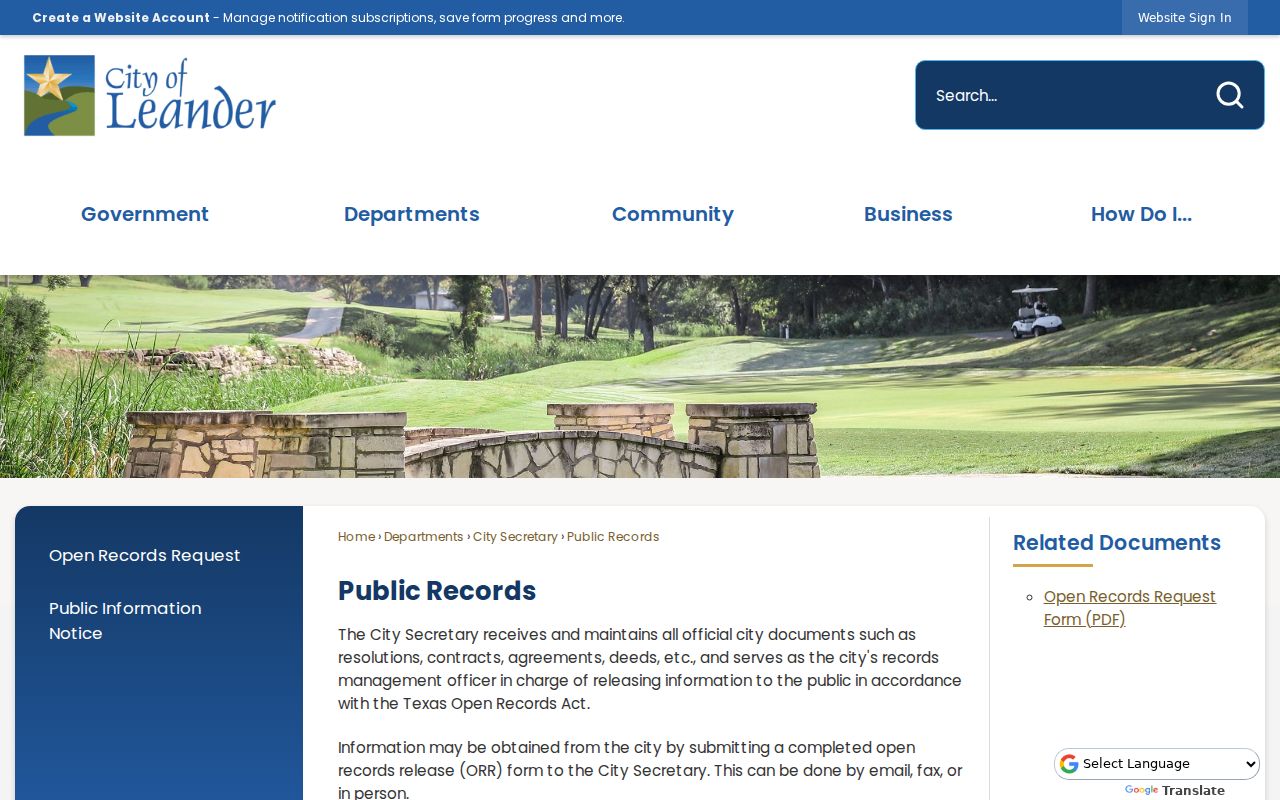
It is a city-record access channel, not a general directory of private residents.
For a specific request, the City Secretary online form shows the copies, inspection, and delivery choices.
The City Secretary's open-records form illustrates the fields used to describe a record request.
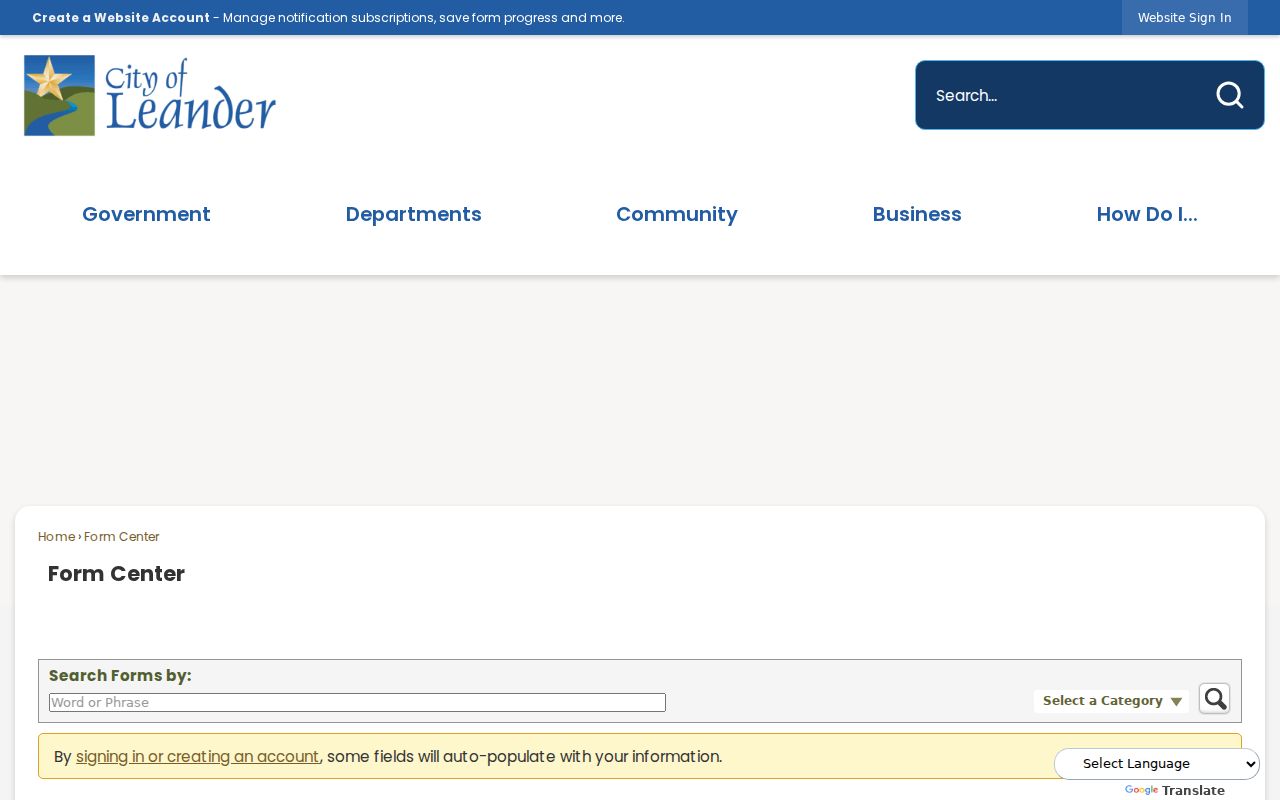
A precise description, record type, and date range are more effective than a broad request for information about people.
Texas Vital Record Leads
Vital records can confirm an event, but access depends on the record type, date, and requester eligibility. Texas DSHS handles statewide certificates and verifications. Birth records are protected for 75 years and death records for 25 years except to eligible requesters. A certified marriage license comes from the county clerk, and a divorce decree comes from the district clerk. DSHS marriage or divorce verification is not the same thing as the local certified instrument.
The state portal lists birth, death, marriage, and divorce choices for Texas events. Its research value is strongest when a family member needs an official verification or a historical lead. It should never be used to publish certificate numbers, signatures, parent names, or protected modern dates.
The official Texas vital-records portal begins an eligible order or verification request.
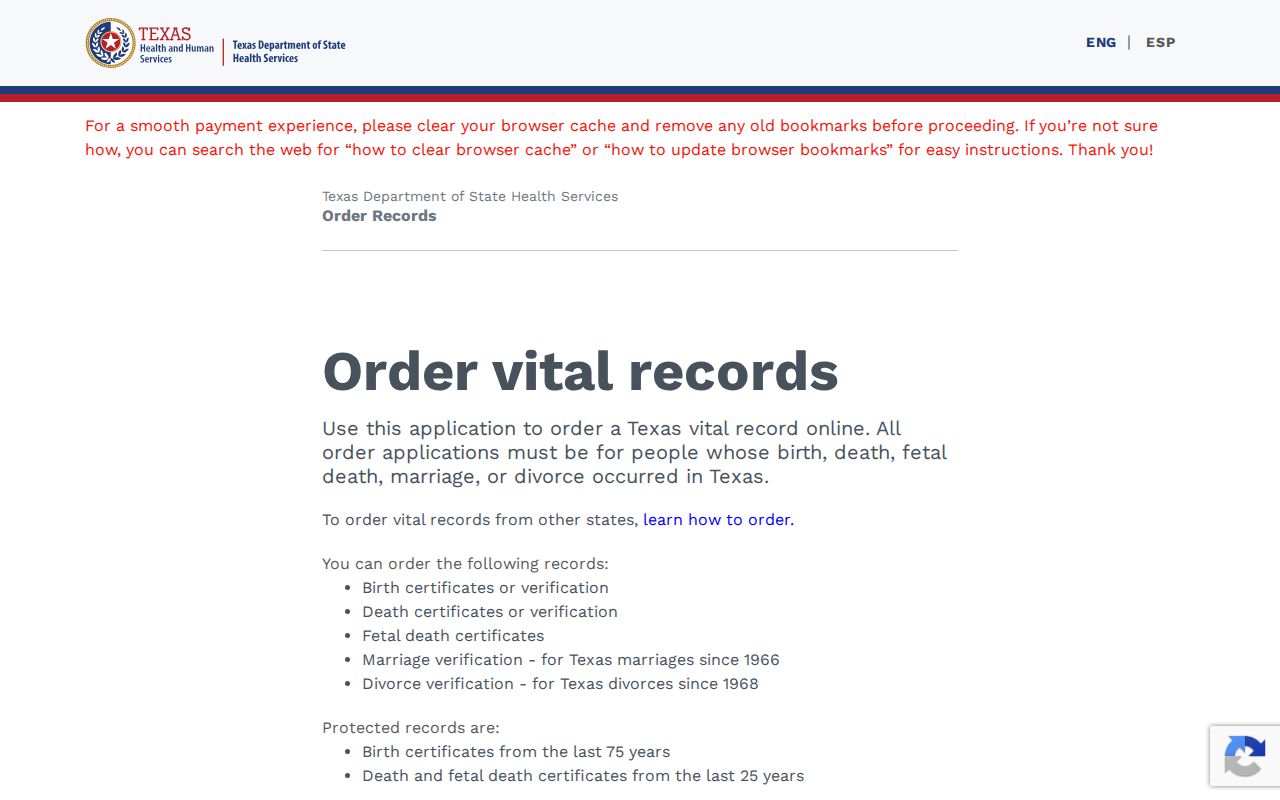
Use the portal to understand the state process, then route a local certified marriage or divorce record to the correct Williamson or Travis custodian.
Leander Directory Evidence Roles
Names mean different things in different Leander records. A deed grantee, tax-account owner, permit applicant, court party, professional license holder, directory householder, and probate party are distinct roles. Keeping the role with the citation makes a search more useful and less likely to overstate a connection. A single shared surname is weak evidence, especially in a fast-growing city with overlapping county systems.
- Parcel
- A mapped tract or lot in an appraisal and land-record system.
- Index
- A finding tool that points to a record; it is not always the document image or a complete history.
- Criss-cross directory
- A historical street or householder section that can work from an address back to a printed name.
- Situs address
- The physical parcel location, which can differ from the tax mailing address.
Two independent anchors are the practical standard. A parcel card plus a deed, or a dated directory entry plus a newspaper or probate record, has more weight than a name-only return. Preserve the exact source URL and the inspection date for dynamic portals.
Texas Leander Records Access
The Texas Public Information Act, Government Code Chapter 552, sets the broad state access framework, but it does not erase other confidentiality rules. A custodian can redact Social Security numbers, financial information, protected voter data, and other restricted material. Public availability and responsible publication are separate decisions. A small finding with its source, date, jurisdiction, and record type is usually more useful than a copied document full of sensitive fields.
The Texas Attorney General overview explains the state's public-information framework.
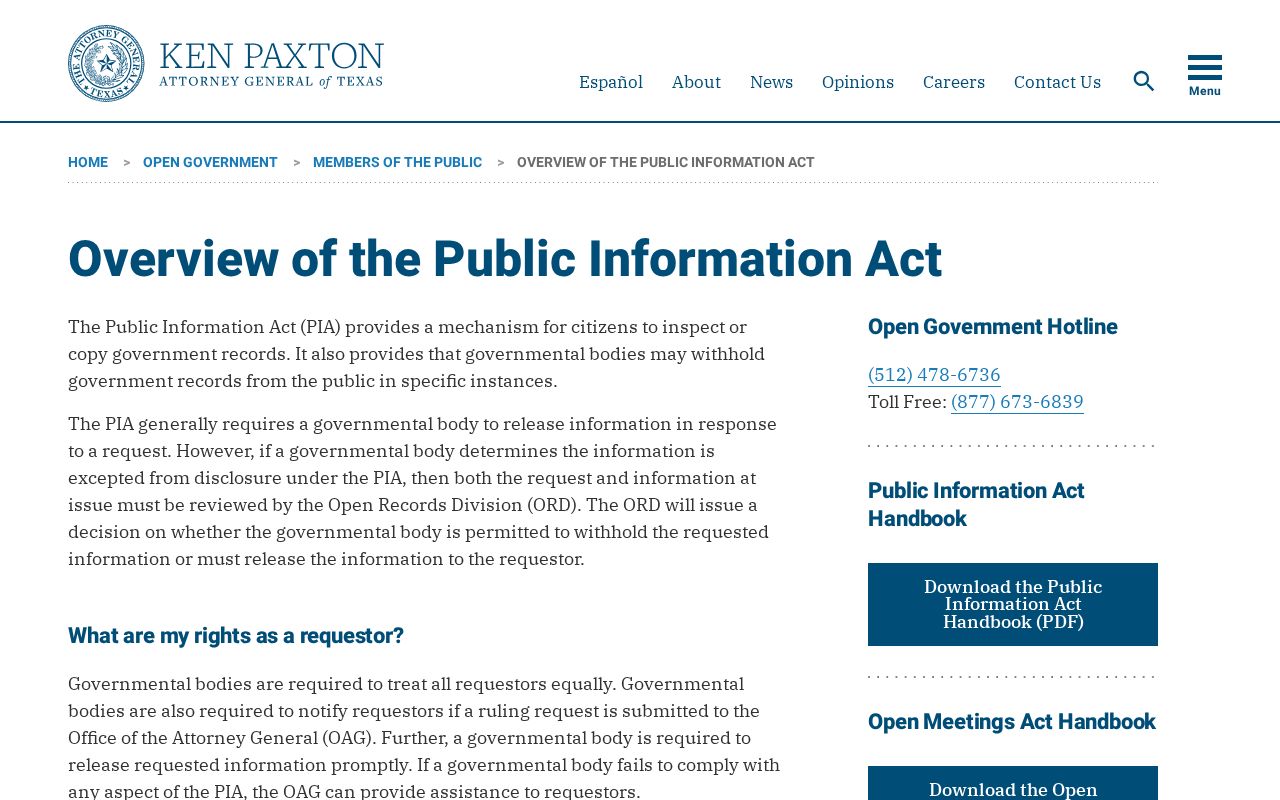
The state rule guides requests to public custodians, while specific privacy statutes and agency procedures still control the record delivered.
Texas Business and Commerce Code Chapter 541 is the state consumer-data statute. It does not require every government record to disappear on request. A sensible directory practice is to minimize personal information, document the source date, and honor a reasonable correction or suppression request when publication is unnecessary.
Leander Public Role Searches
Sometimes the right question is about a public filing or credential rather than a residence. Texas Secretary of State resources can help identify an entity filing, registered-office role, assumed-name lead, or UCC filing. A business record does not prove that a person lives at the filing address. Treat it as one dated role that may need a county or historical record for context.
The Texas Secretary of State business-services page routes users to official filing resources.
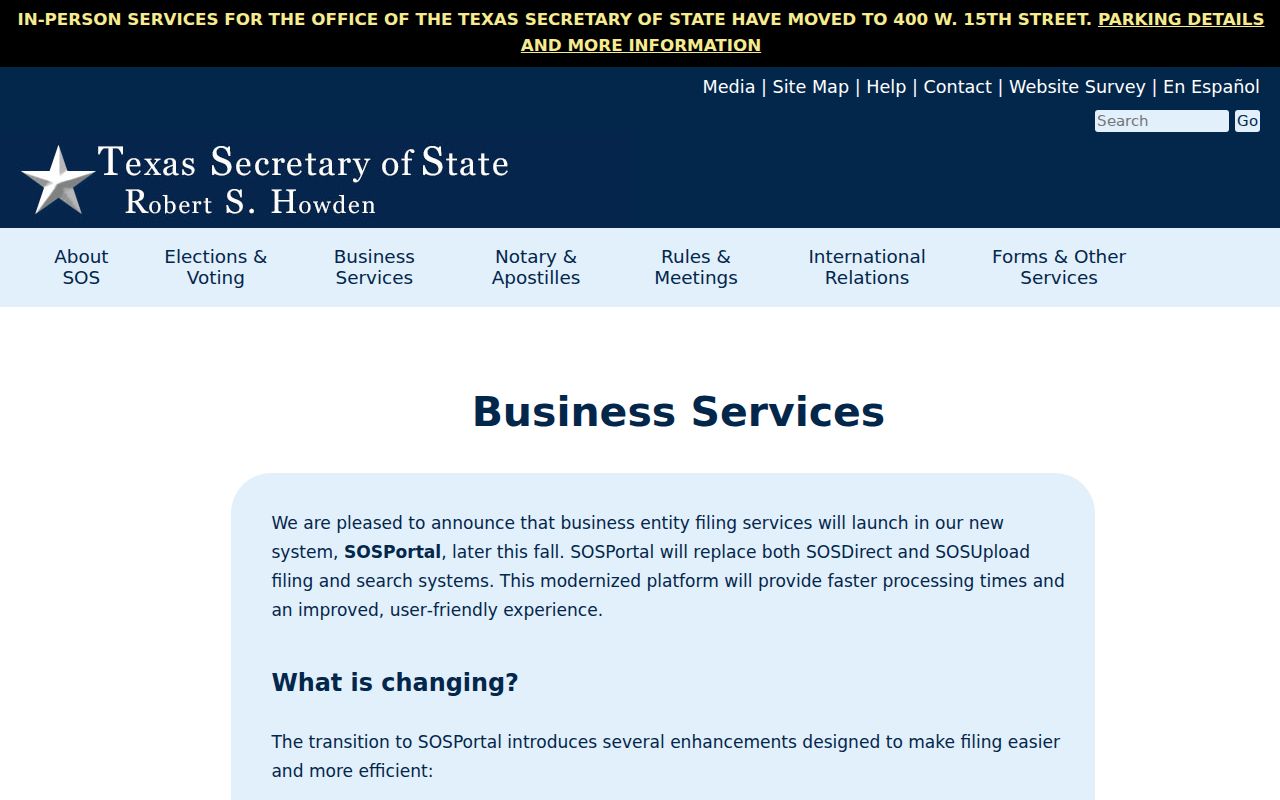
Official filing tools can clarify a public role, but a Leander residents directory search still needs independent address and date evidence.
Historical Leander Resident Directories
Historical sources turn a current-address question into a dated household trail. UT Briscoe lists a title called Cedar Park, Leander, Northwest Austin, The Blue Phone Book, though its browse page did not expose an edition-year run. TSLAC holds city-directory material mainly for on-site use in Austin, and the Williamson County Genealogical Society has books, periodicals, microfilm, and electronic resources. The UNT collection is searchable by keyword, county, and time period, but the inspected collection state did not expose a Leander or Williamson title.
A printed entry may give a name, address, telephone, spouse, occupation, and an owner or renter mark, but it is a dated snapshot. Record the title, publisher, edition year, page, exact name form, and street section before comparing it with a deed, census, probate item, newspaper, or city record. The full historical-shelf method is on the Leander city directories page.
Note: An absent directory entry may reflect nonpublication, spelling, a survey date, rural coverage, or an unlisted household rather than an absence from Leander.
Bagdad in Leander Directory Searches
Local history supplies a useful search variation. Bagdad was officially named in 1855. When the railroad arrived in 1881, it bypassed Bagdad and Leander was established in 1882. An old deed, directory, newspaper, or depot reference can therefore use a place name that does not match a modern Leander search. Test Bagdad, Leander, railroad, depot, and subdivision vocabulary before deciding an old address trail has ended.
The city timeline reports that Leander lots were sold on June 18, 1882 and the town was named for Leander Brown. These are place-history clues, not evidence that an individual lived at a particular modern address. Pair the wording with the document date, county, and legal description.
Leander Custody Record Limits
Custody locators answer a narrow status question. They are not a Leander residents directory and should not be read as a home address, current household connection, or proof of conduct. For a federal matter, the Bureau of Prisons locator identifies people in federal custody from 1982 forward; county and state sources have their own coverage and privacy limits. Confirm the jurisdiction and official date before relying on any result.
The Texas Department of Criminal Justice information page is an official custody-information route.
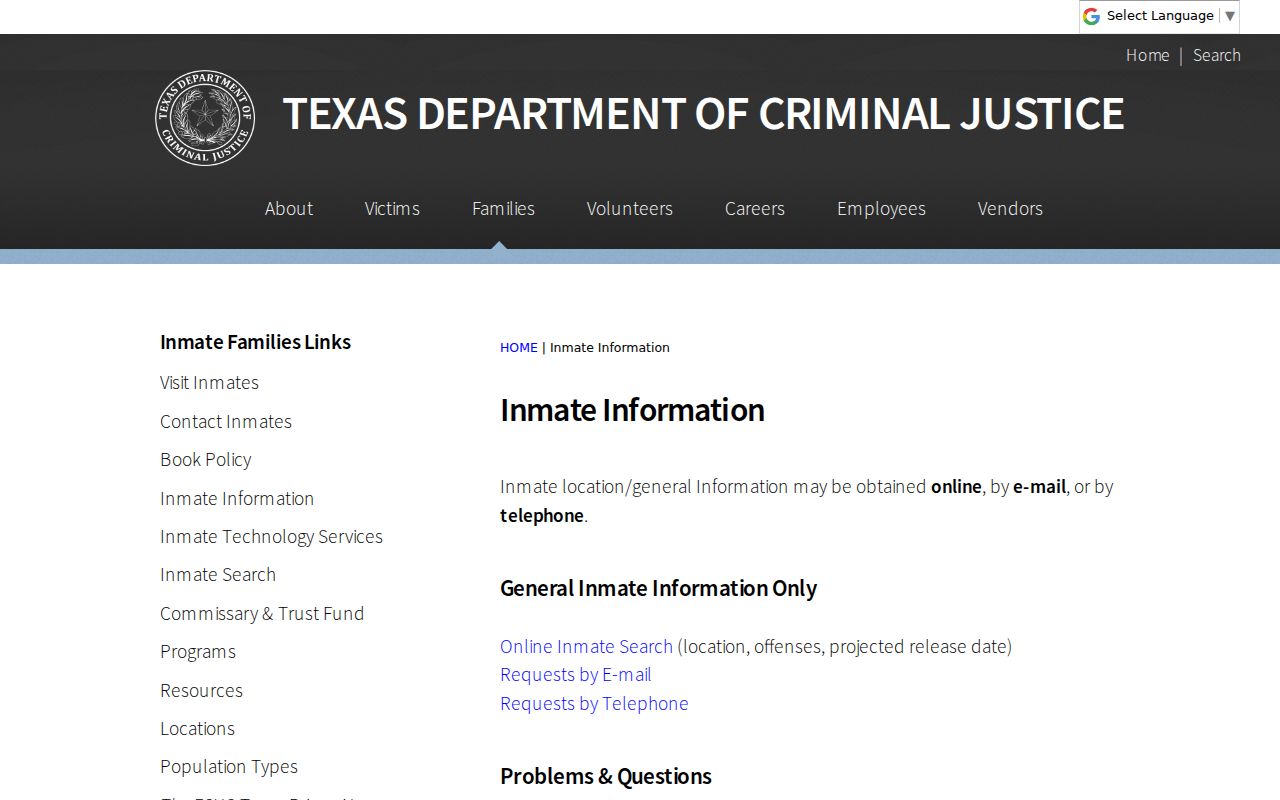
Custody information is kept separate from the address, deed, directory, and court-role evidence used for a lawful local records search.
Leander Archive Survival Trail
Williamson County's archive plan explains why a historical Leander trail may move between online and physical sources. The plan says deed books 1 through 168 were preserved from 2001 through 2006, and that deed books have been scanned since February 2005. It reports 943 deed books scanned, 4,400 plats preserved, and 231,880 official-public-record microfilm images reviewed. Those figures describe preservation work, not a promise that every image is available through a single public search.
When the modern index ends, shift deliberately: current land system, legacy index books, deed volumes, microfilm, clerk research service, TSLAC or Baylor finding aid, then genealogy resources. The county's 1848 organization marks the beginning of its recordkeeping story, while the source and date still determine what a particular result can establish.